See the whole mixture
Chemical target analysis finds what you look for. Effect-based methods capture the combined biological activity of everything present — including unknown substances, mixture effects and transformation products.

Online webinar series | Autumn 2026
Water contains a complex mix of known and unknown substances. Effect-based methods reveal their combined biological impact – giving the water sector a more complete picture of water quality.
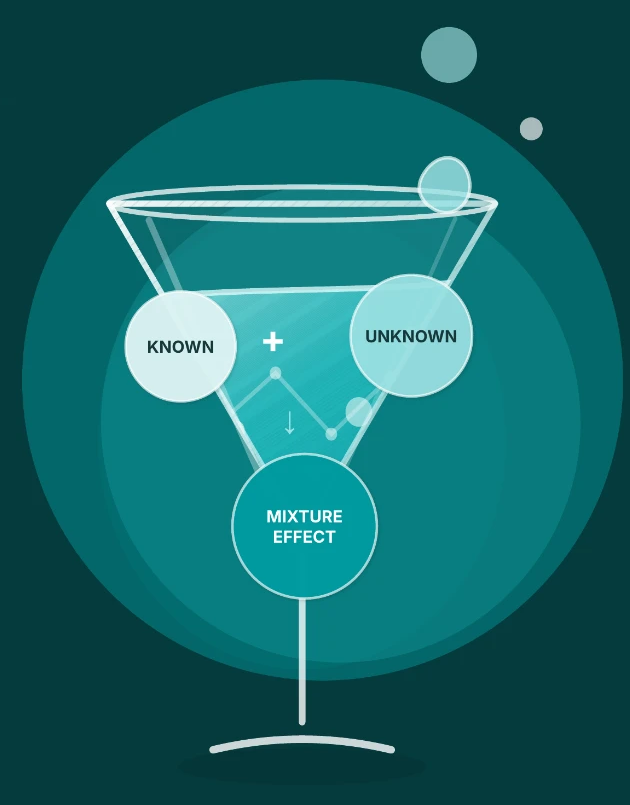
Effect-based methods
More than 100,000 chemical substances are in use in Europe. Only a fraction of them can be measured with routine chemical analysis, and those measurements say nothing about how the substances behave together.
Effect-based methods use cell-based bioassays. A water sample is concentrated and applied to living cells engineered to respond to a specific biological mechanism — estrogenic activity, oxidative stress or DNA damage. The response is the sum of everything in the sample, known and unknown.
The result is a biological answer to a biological question: what does this water do?
Surface water, wastewater or drinking water is collected and enriched.
The extract is applied to cell lines in controlled bioassays.
Cellular response is quantified against reference substances.
Results are compared to effect-based trigger values or historical data.
Chemical target analysis finds what you look for. Effect-based methods capture the combined biological activity of everything present — including unknown substances, mixture effects and transformation products.
Bioassays respond to biological effects such as hormonal activity, genotoxicity and oxidative stress. That moves us from a list of concentrations into a measure of what the water can actually do.
Measure before and after each barrier and show, with data, that your process removes biological effects — not just individual compounds.
Choose the session most relevant to your work – or join the full series. Each session is online, in English and runs for 45 minutes including questions.
An introduction to what effect-based methods measure, how bioassays work and where they add value across the water cycle.
Following biological activity through treatment steps — from influent to effluent — and what it reveals about receiving waters.
Verifying barrier efficiency and safeguarding drinking water quality beyond the list of regulated substances.
Your speaker
Co-founder of BioCell Analytica | Professor of Toxicology at SLU
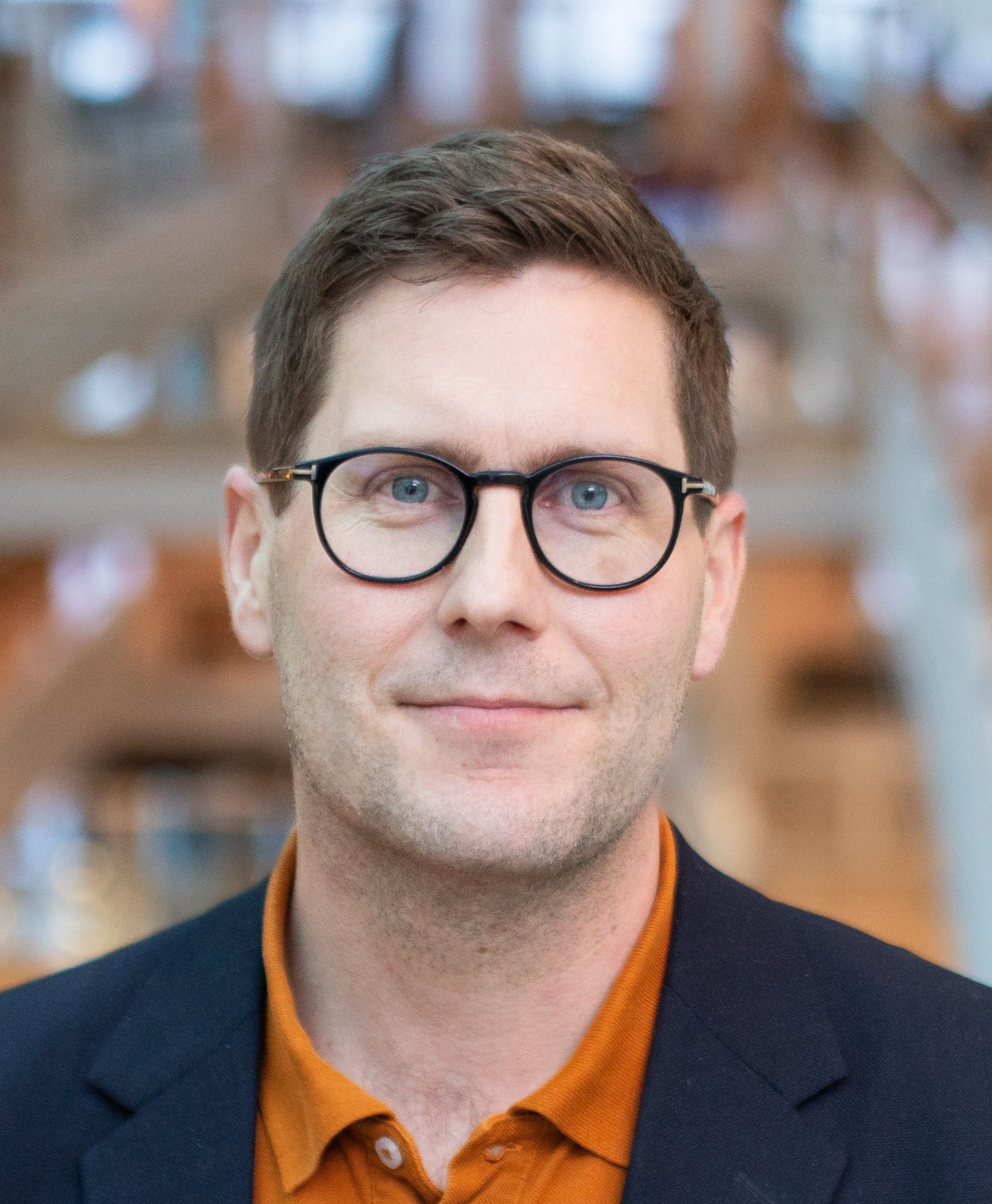
Johan Lundqvist is co-founder of BioCell Analytica, making effect-based water analysis commercially available to the water sector. BioCell Analytica’s cell-based methods detect biological effects from complex chemical mixtures, complementing conventional chemical analysis. The analyses can be used to screen water quality, investigate contamination, evaluate treatment performance and support risk-based decisions across drinking water, wastewater and surface water.
Sign up for one session or the full series. You will receive the calendar invitation and the joining link by email, plus the slides afterwards.
Questions? kontakt@biocellanalytica.se